

Building Capacity, Building Power Cohort
Marie Equi Center and Pride Northwest are currently supporting a cohort of 8 LGBTQIA2S+ leaders envisioning ways to share resources and build collective power.
Cohort Members are paid $1,000 a month
Time Commitment:
Cohort Members will not be required to track hours, but we will expect ~8 hours a week of their time or ~32 hours a month for the duration of the Cohort cycle. (Apr 26 - Dec 27).
Expectations:
Attending regular meetings with Cohort, frequency/dates/times to be determined
Hosting at least 3 community engagement events in Cohort Member’s local community during the cycle
We are using an end-to-end encrypted platform to protect your data. Please allow for extra loading time.
Application Deadline:
March, 16th 2026 5pm PST
Note:
Cohort members will have independent contractor status, and we will need a W9 with one’s legal name. That information will be kept securely and used only for required purposes.
Eligibility:
Organizing, advocacy, and/or leadership experience
To be most competitive for this Cohort, we are looking for at least two years of community engagement experience. Examples of experience: mutual aid, grassroots organizing, nonprofit, etc.
Location
We are prioritizing rural, remote, and tribal organizers, and welcome applicants from anywhere outside Portland
To be most competitive for this Cohort, we are looking for folks that have lived and/or worked in their locality for at least two years. This does not necessarily mean consecutively, for example you may have grown up in an area, moved away for a time, and moved back.
Lived experience is highly valued. Black, Indigenous, and People of Color, Two-Spirit, neurodivergent, and/or disabled folks strongly encouraged to apply.
About the Collaborative
History
Since 2021, The Marie Equi Center and Pride Northwest, Inc. have been promoting rural-urban LGBTQIA2S+ solidarity statewide, building relationships with and offering capacity-building support to LGBTQIA2S+ Community Based Organization (CBO) leaders and members in 94% of Oregon's counties. In 2023, we hosted an innovative statewide community-based data justice project, a LGBTQIA2S+ CBO Needs Assessment to map resources, paint a picture of organizational strengths and needs, and understand local data priorities. With a response rate of 68%, we heard from 45 CBOs representing 97% of Oregon’s counties.
Vision
Our collaborative envisions a resilient and interconnected ecosystem of LGBTQIA2S+ Community Based Organizations (CBOs) in Oregon where we are able to strategize, learn, share resources, dismantle oppressive systems, and build power together. Through our work, we will see a strong, resourced, and unified LGBTQIA2S+ CBO ecosystem where we are able to affect change and uplift our communities through the power of coordination, connection, and community.
Your Facilitators
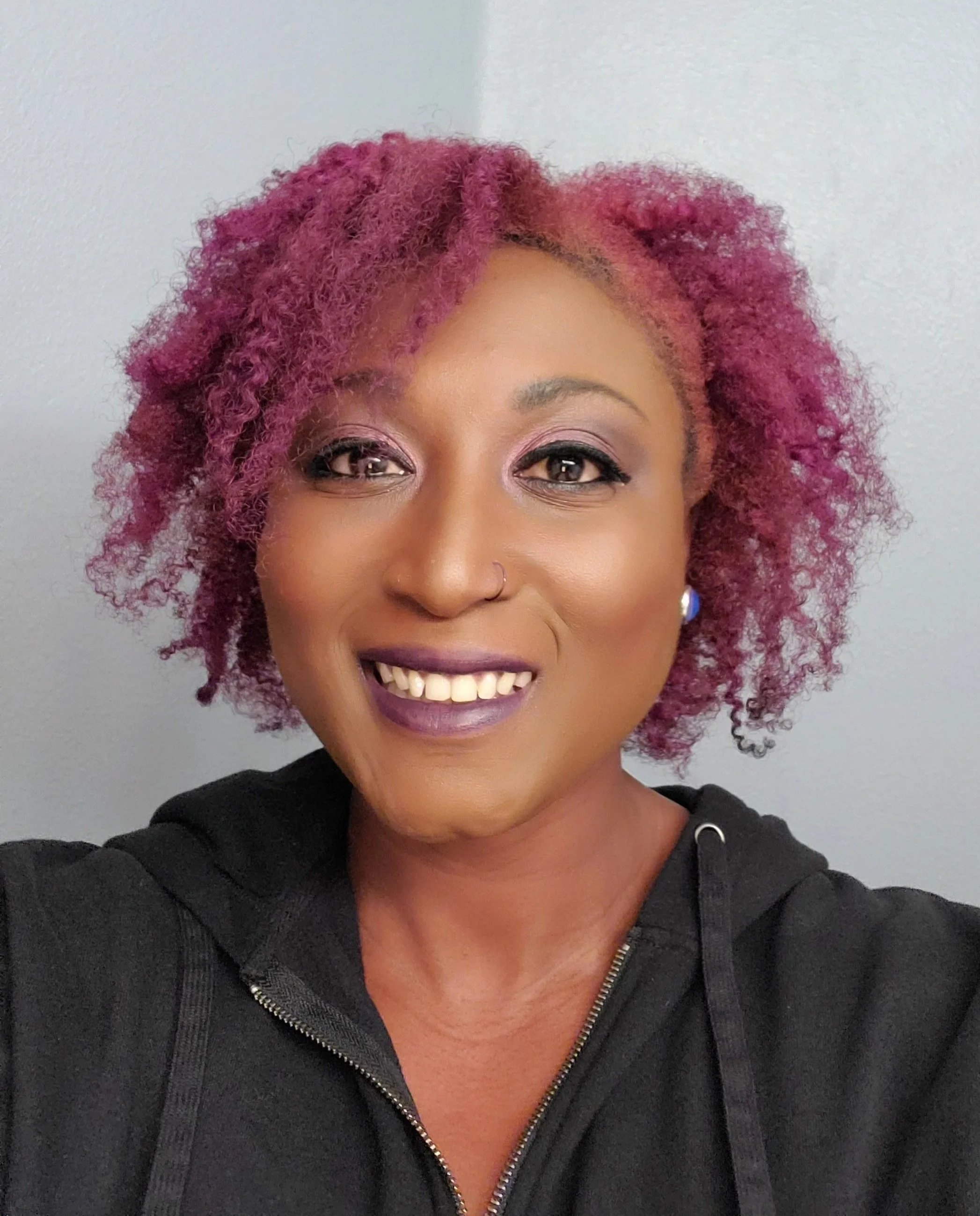
Vashti Boyce, MBA, MA, QMHP-C (they/she) is a Portland, Oregon based consultant providing subject matter expertise in social/community research, leadership development, and behavioural healthcare. They are a fat, Black, queer, femme, first-generation American. Driven by their lived experience of intersectional points of marginalisation, Vashti melds their research and behavioural health background to drive positive impacts in their various communities. In addition to their academic experience, they are a working performance artist, dance instructor, and producer.
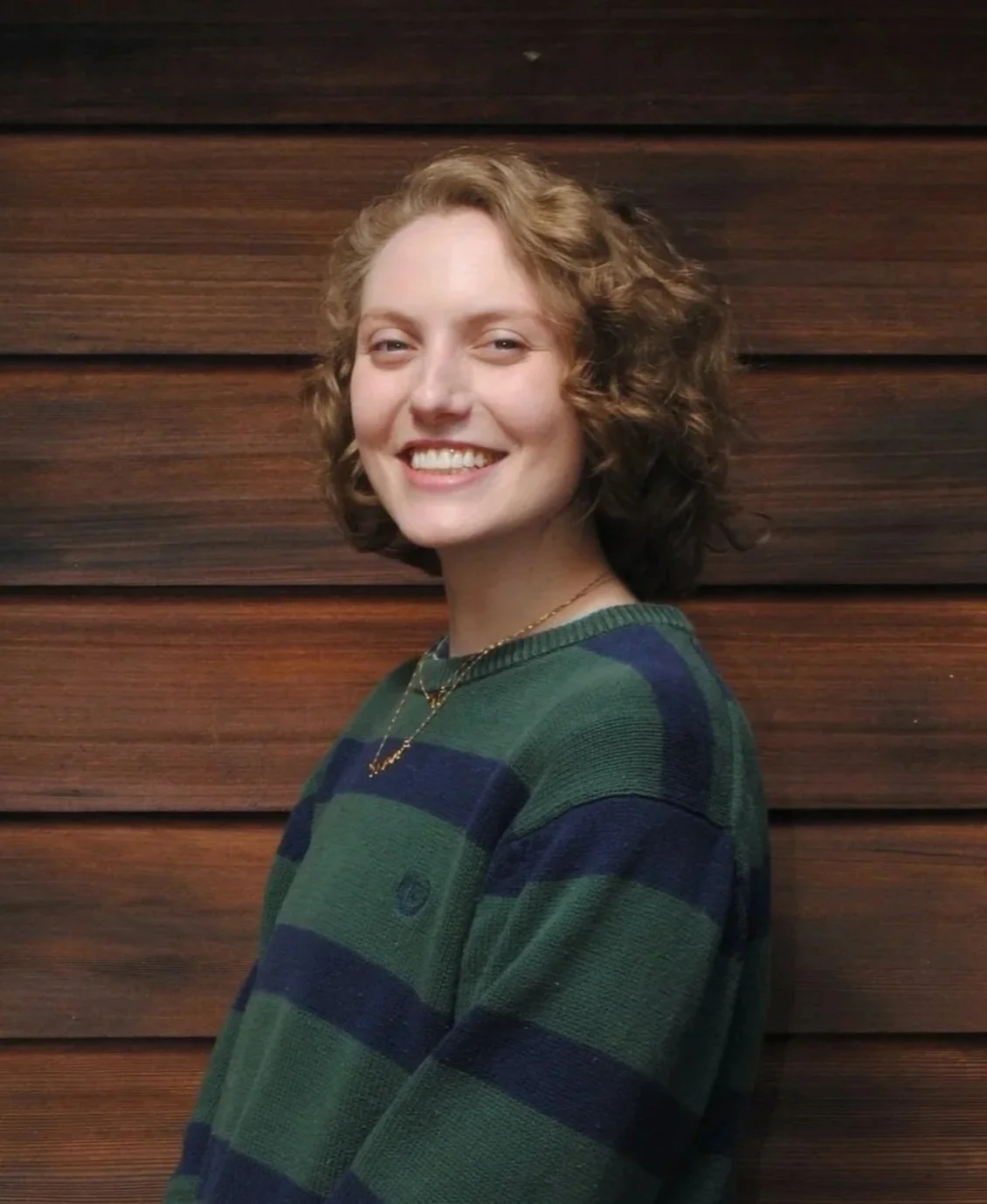
Anna Silberman (they/them) is the Outreach and Capacity-Building Manager at The Marie Equi Center. They are a white, disabled, transmasculine anti-Zionist Jew and community organizer. Anna is passionate about suicide prevention, LGBTQIA2S+ rural-urban solidarity, and expanding access to culturally-specific mental healthcare for sex workers of color. In their free time, Anna watches too many horror movies and organizes with Haymarket Pole Collective, a grassroots organization that fights for safer and more equitable home- and workspaces for sex workers of color.
Vashti and Anna have been working together since 2021 and bring experience co-facilitating a Community Guidance Council during an earlier phase of this ongoing project.
Rural-Urban Solidarity
As two Portland-based organizations hosting a statewide project, we want to express our unwavering commitment to rural-urban solidarity, following the leadership of rural-based organizers, and funneling resources into the hands of our rural-based counterparts. We have a strong track record dating back to 2021 working respectfully and reliably with rural- and remote-based communities.
In the words of a rural-based community member- “It feels like y’all are really thinking about this in a holistic way and being as inclusive of all different parts of our state, from what I've heard and seen and understood it seems comprehensive and moving slow!! Which is a real big green flag when something is taking forever it means its really considering community voice and being responsive in that way. [I] love when shit like this takes a long time, [it] ends up being reflected”.
If you have any questions, please email Anna Silberman (they/them) at anna@marieequi.center.
Frequently Asked Questions
Question:
What are the hours expected for meetings and such?
Answer:
Once we select the 7 cohort members, we will collectively determine the meeting cadence and timing based on what works best for everyone's availability. We will probably meet more frequently when we're setting up the cohort (perhaps weekly), but then I could envision meetings every other week or just once a month once we set everything up. Sorry to not have a more concrete answer for you. But we want this to be accessible for folks who work other jobs.
Question:
How many are you expecting in the cohort?
Answer:
Currently we are budgeted for 7 cohort members to be paid. There is a part at the end of the application where folks can say if they are interested in still being involved in things even if they aren't part of the paid cohort. So we'll figure out a constellation situation of the core cohort and a wider circle where folks can still be plugged into the work.
Question:
Are you expecting meetings/meetups to be in person at all (and how often)?
Answer:
TLDR; Most of our coordination as a cohort will be virtual, with options for planning infrequent in-person gatherings using our discretionary travel and events fund. Longer answer- We haven't pre-determined anything and are trying to be collaborative with how we approach this. That said, we have a travel budget and events budget for each of the 7 cohort members to use as they'd like and then the project team also has a travel and events budget that has not yet been determined its use. If I had to guess, we're looking at maybe one gathering of all of us during the cohort cycle with the option for regional get-togethers if people are interested. We want this opportunity to be accessible for everyone, so we'll plan things that work for the majority of the group.
Question:
And in terms of the work hours expected of folks, it's work in their communities? Or collective work for/with the cohort? Both?
Answer:
Short answer: both; Long answer: we don't want to double anyone's work. We are choosing cohort members because they are already doing awesome stuff and/or working towards awesome stuff. So each cohort member will have their own local priorities and projects. The point of the cohort is carving out capacity for them to work on their existing and emerging projects, while also having the time to coordinate regionally and statewide. So each of the 7 will likely be working on different types of projects, and then we'll meet as a cohort (cadence/dates/times TBD based on what works for everyone) to share resources, brainstorm, offer skill-shares, coordinate, and support one another. Another component of the cohort is we want to share our findings and recommendations from the LGBTQIA2S+ Community Based Orgs Needs Assessment, so we can leverage what we already know about our communities.
Question:
What do you mean by " so-called Oregon?"
Answer:
That's in reference to that the modern day State of Oregon occupies the traditional homelands of local Indigenous tribes and bands. To be fair the phrase "so-called" is a little wonky and doesn't fully articulate that idea. But this is a cool interactive map if you are curious. And another.
Question:
I don't understand what this is
Answer:
This is a new paid opportunity for rural Oregon based LGBTQ+ folks who are very active in their local LGBTQ+ community (doing stuff like coordinating Pride events, local advocacy efforts, gender affirming clothing closets, etc) who are feeling really burnt out from the work and would like the time and space to connect and collaborate with other peers across the state. You can learn more about the project history under the heading “statewide advocacy”.
Question:
What do you mean when it says that Cohort Members need to host 3 community events?
Answer:
We are leaving it up to Cohort Members to decide what those will look like since they will know their communities the best. Still working on finalizing the numbers, but Cohort Members will also have a budget to work with for each event. We want to support the work that is already being done. In other words, we don't want folks to double the work they are already doing, so if Cohort Members are already planning an event for their nonprofit, they can "double dip"
Question:
Do you have a list of cities / regions that would be welcome to apply? Most of our followers are from Salem, which I'm not sure is rural enough for this cohort, but maybe some regions. It might help clear up confusion to be able to provide that info to them.
Answer:
We are prioritizing folks who reside in rural, remote, and tribal regions, and welcome applicants from anywhere outside of Portland. We for sure want representation out of the Willamette Valley. Also I've heard that a lot of Salem based LGBTQ+ orgs also support folks in Polk County for example. So we are wanting to be really open and inclusive with this while also prioritizing rural, remote, and tribal.
Question:
What do we mean by "remote" organizers?
Answer:
"Remote" is an alternative word that folks have been using instead of the word "frontier" due to its association with colonization and the violence of settler expansion. We don't have a hard and fast definition, but the Oregon Office of Rural Health for example defines rural as being 10+ miles from a city with a population of over 40,000. And they still use the term frontier and define that as any area with less than 6 people per square mile. Totally understand the confusion with "working remote" as in working from home and doing stuff virtually