

Understanding Our Impact
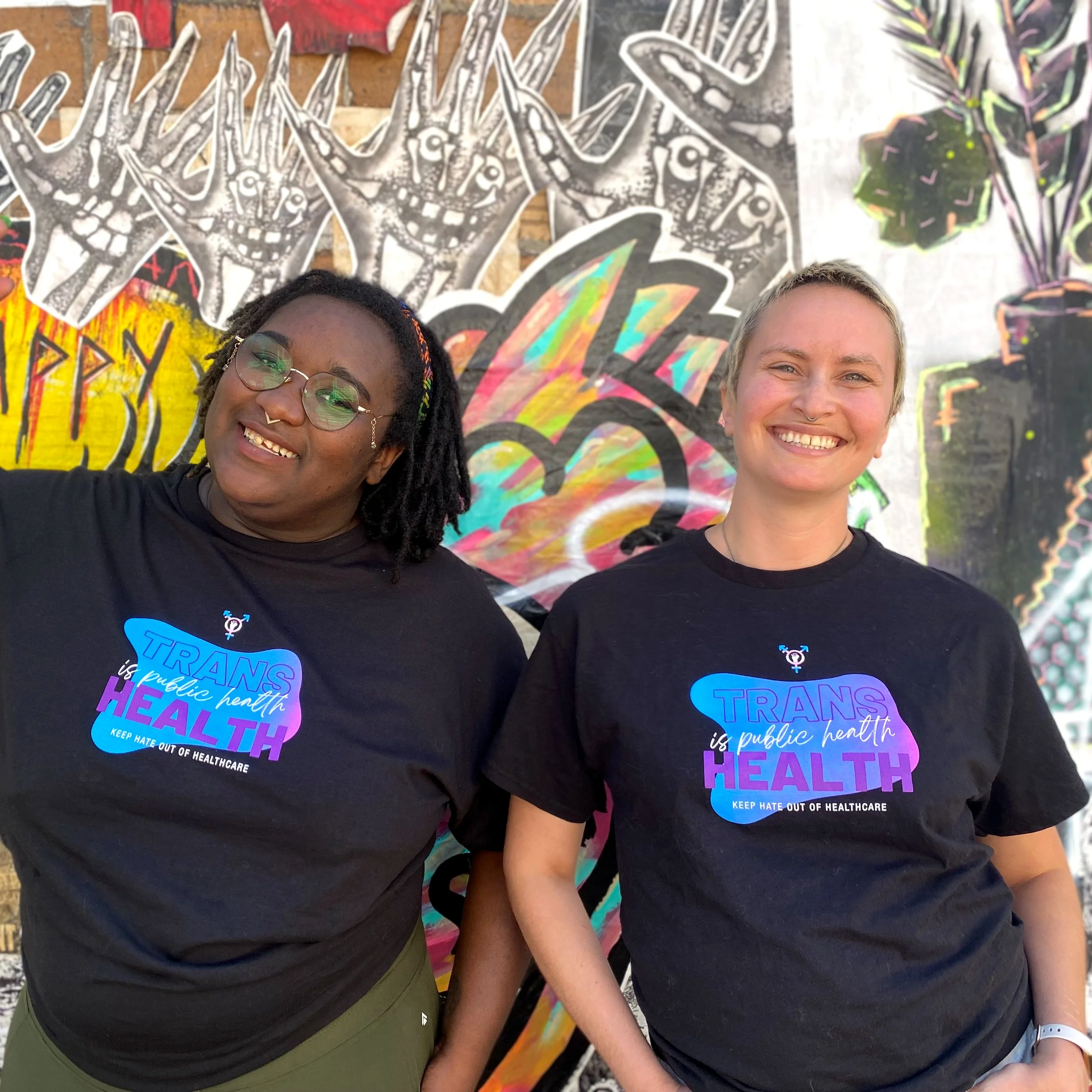
Multnomah County is proposing a $221,000 cut to The Marie Equi Center.
Earlier this year, Equi lost critical public health funding, resulting in the loss of staff and reduced capacity. This additional cut would compound those losses and push the Center beyond what is sustainable.
At the same time, visits to the Center have increased by 327% in one year.
This is not a marginal reduction. It is a tipping point.
WHY THIS MATTERS
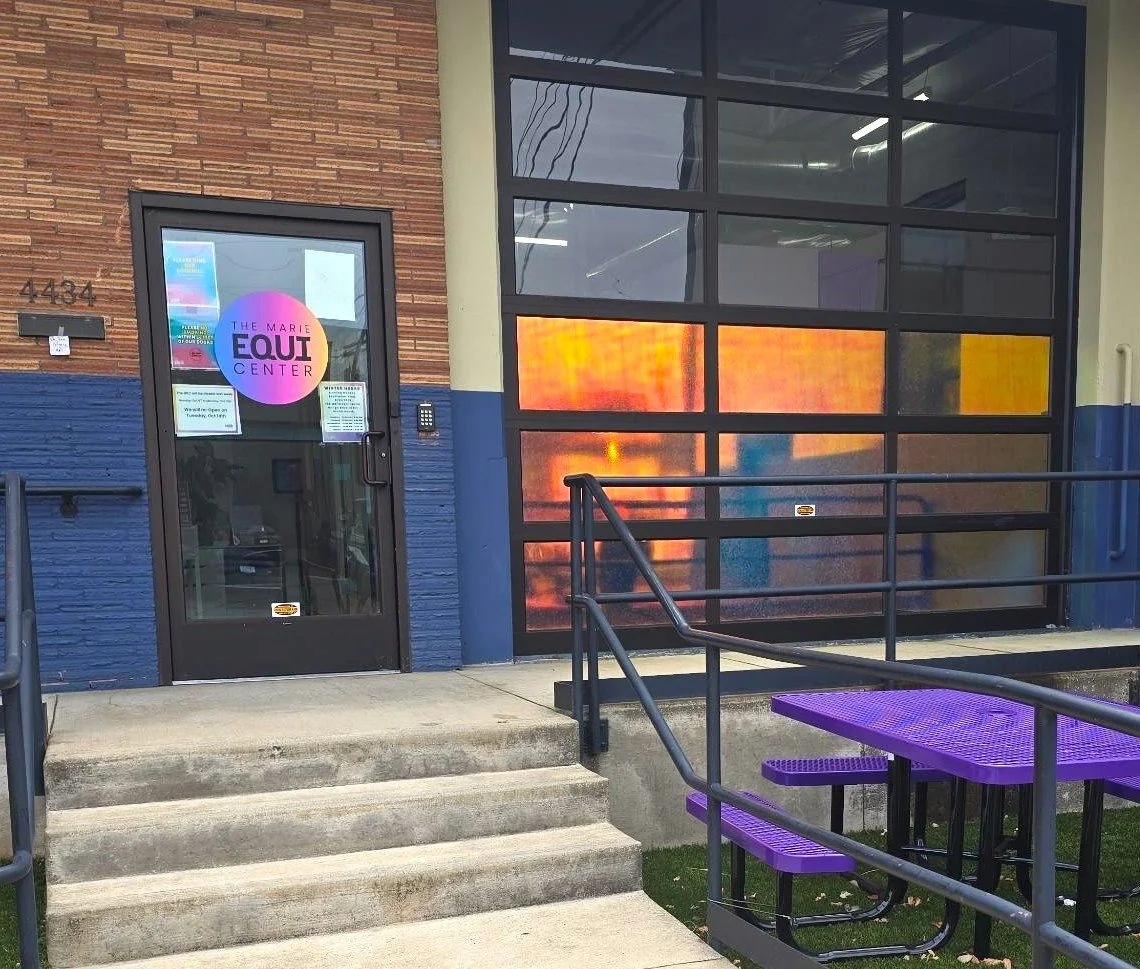
Equi is one of the only culturally specific, low-barrier day centers serving unhoused queer and trans adults in our region.
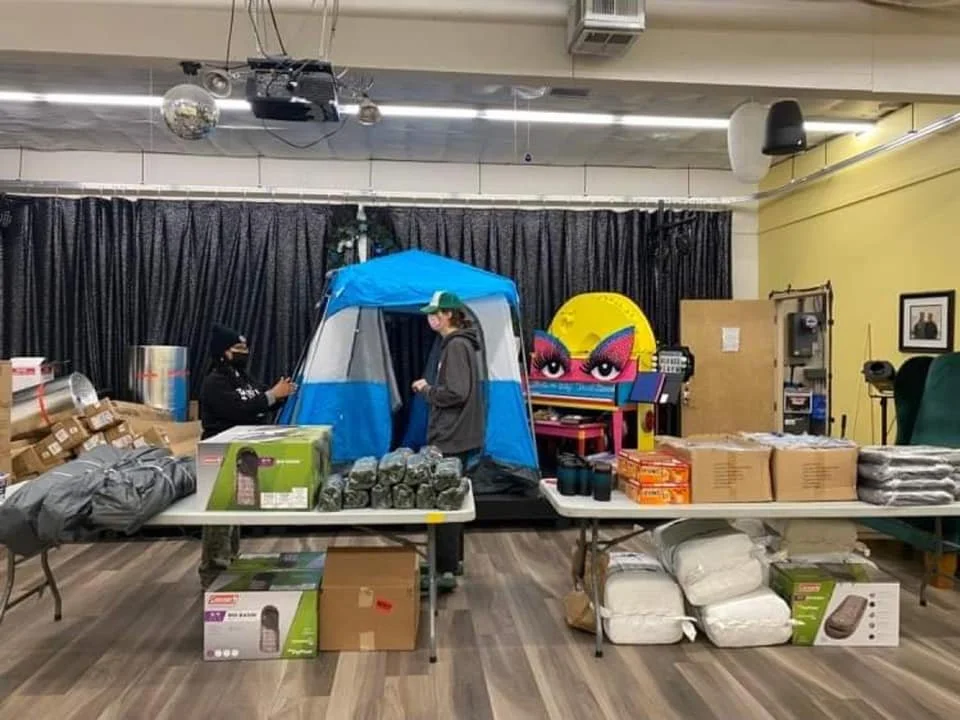
Every day, people come to us after being turned away, displaced, or unable to safely access traditional systems. At the Center, they are able to rest, connect with peers, access housing navigation, and begin to stabilize in a space where they are safe.
We are critical front-end infrastructure that makes it possible for people to engage with housing, healthcare, and recovery services at all.
TAKE ACTION
Instructions for Submitting Testimony
Follow this link to the County website
Scroll down until you see fields to input your name and contact info
After filling in your name and email address, they will ask how you would like to testify. Select “Written Comments Only”
When they ask what you would like to testify on, select “non-agenda item”
Subject of your testimony item should be “The Marie Equi Center - FY27 Budget Amendment”
Select whether or not you need an interpreter
Copy the testimony template below (or write your own) and paste it into the box that says, “Please Submit Your Written Comments Here”
Contact Commissioners Directly
You can directly email or call Multnomah County Commissioners to share your perspective.
Jessica Vega Pederson, County Chair
Phone: 503-988-3308, Fax: 503-988-3093
E-mail: mult.chair@multco.us
Meghan Moyer, District 1
Phone: 503-988-5220
E-mail: district1@multco.us
Shannon Singleton, District 2
Phone: 503-988-5219
E-mail: district2@multco.us
Julia Brim-Edwards, District 3
Phone: 503-988-5217
E-mail: district3@multco.us
Vince Jones-Dixon, District 4
Phone: 503-988-5213
E-mail: district4@multco.us
***Written testimony can be submitted until June 3rd!***
TESTIMONY TEMPLATE
Dear Chair Vega Pederson and Multnomah County Commissioners,
I am writing in strong support of the proposed amendment to restore funding for The Marie Equi Center in the FY27 budget.
I also want to thank the commissioners who listened to the overwhelming public testimony and community advocacy calling for these cuts to be reversed.
This moment demonstrated something important: people across Multnomah County believe queer and trans communities deserve real investment, real infrastructure, and real support.
At a time when many LGBTQAI2S+ communities across the country are facing increasing hostility and instability, it matters deeply that local leaders are willing to publicly support culturally specific systems of care.
The proposed amendment reflects the values that Multnomah County claims to hold around equity, public safety, and community wellbeing. Supporting this amendment would send a clear message that queer and trans people are not an afterthought within our homelessness response system.
I urge you to vote in favor of the amendment on June 4 and continue investing in the infrastructure that helps queer and trans community members survive, stabilize, and remain connected to care and community.
Thank you for your leadership.
Sincerely,
[Your Name]
OPTIONAL PERSONALIZATION
If you’re able, consider adding 1–2 sentences about:
why this issue matters to you
your connection to the community
or why culturally specific services are important
Your voice matters.
Public testimony directly influences budget decisions, especially when many people speak up.
Other Ways to Support

Testimonials
“This is a very fundamental, keystone aspect of my clawing my way out of homelessness... It’s a nice, calm, peaceful place that you can just use as the base of your sanity. Because you don’t feel like you’re about to get kicked out of it. That’s the thing about being homeless is you’re never allowed to be anywhere for more than a couple of hours. I felt like, consciously, mentally, this was my home for a long time. This is, for the psychological need of a home, this is my home.”
“Sometimes it’s just the, the, the explosions of laughter or just happy sounds rolling through the Center. But it’s also the people that come to my office and say, Hey, you guys helped me a lot. I don’t need you anymore. But I wanted to tell you that. It’s like, yes. It’s this chance to celebrate, I love that. You never know what that one moment or that one long string of moments is going to do. So at any given hour of the day, there might be that magic of just rightness, just enoughness happening somewhere that is unlocking things that we can’t even predict other than to prepare to be astounded. And I am there almost every day.”
“I think it’s the most compassionate company I’ve ever worked for that is not only trying to perform compassion, but actually embodies it, where the conversations that we’re having with our guests match the conversations that we have behind closed doors as we prepare to serve the community the best we can.”
“It’s incredible. It’s hopeful, educational, accessible, happy, everyone is so helpful, and it’s truly a place of connection and creativity, as well as wellness. It can be scary navigating the world as a trans person and having a safe place like the center that provides such a range of services and resources is life saving. The lived experiences I get to hear from other trans people is validating and I find strength in connection.”
“What I hear from a lot of my peers and guests is that the reason that they sought out peer services and sought out the Equi Center specifically was because they had a difficult time navigating those services and systems like housing and healthcare and benefits and everything by themselves. Either because it was an exhausting process, it was a confusing process and they’re all really disconnected systems that don’t communicate with each other. So I feel like the value that I’ve seen that the Equi Center brings is through peer services, through our whole center services that we offer, where we try really hard to support people with resource navigation and with being a support person along their journey.”
“There’s, you know, some basic human needs… one is to just be able to be yourself with people that you don’t have to explain unless you want to, that’s a real need. Being seen as a full person, not just as a set of some kind of list somewhere. That’s a real need. And having choices, from moment to moment and every day, and then starting to feel, if you’ve lost even your genuine ability to make choices in your own life, because so many options have been taken away from you. It can get so hopeless feeling or so enraging. So bringing that, putting consent first and slowing down and taking time and actually making sure that there’s folks available that you can talk to, that you can ask for things.”